
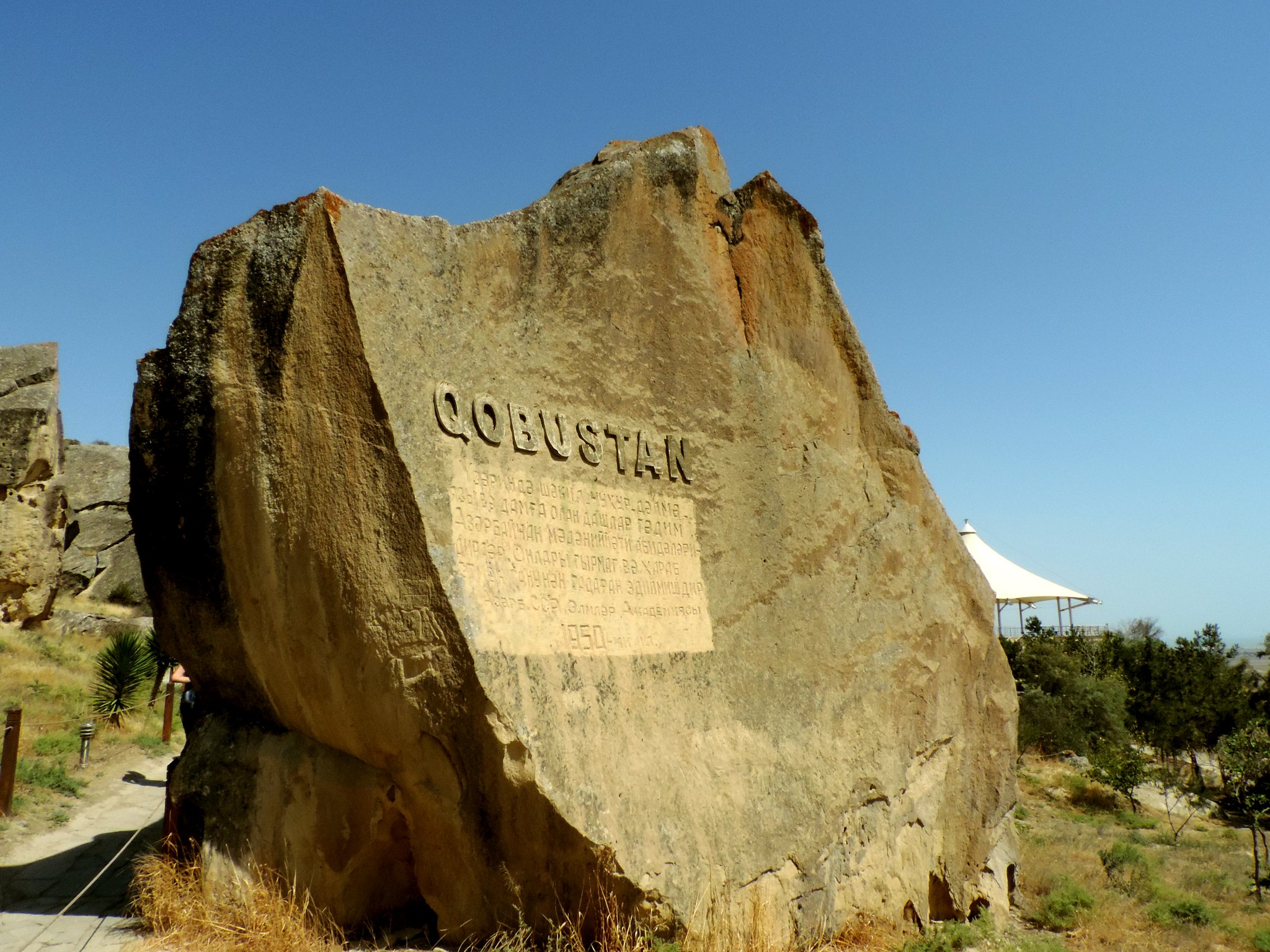
Nestled just 64 kilometers southwest of Baku, Azerbaijan’s capital, lies a remarkable testament to human history and natural wonder: Gobustan National Park. This UNESCO World Heritage Site spans over 537 square kilometers, offering visitors an unparalleled glimpse into the rich tapestry of human civilization and geological marvels that have shaped the region for millennia.
As you approach Gobustan, the stark beauty of its semi-desert landscape immediately captivates the eye. Rolling hills and rocky outcrops dominate the terrain, creating a rugged yet mesmerizing panorama. The park’s name, “Gobustan,” translates to “ravine land” in Azerbaijani, aptly describing its distinctive topography.
The true magic of Gobustan reveals itself through its incredible collection of rock art. Dating back to the Upper Paleolithic period, these ancient petroglyphs offer a fascinating window into the lives of our prehistoric ancestors. Carved into the rock faces of the park’s numerous caves and shelters, over 6,000 rock engravings depict hunting, rituals, and daily life scenes. These intricate artworks showcase a diverse array of wildlife, including deer, goats, bulls, and even boats, providing invaluable insights into the region’s flora, fauna, and human activities throughout history.
One of the most remarkable features of Gobustan’s rock art is its incredible state of preservation. Thanks to the region’s arid climate and the skillful techniques of ancient artists, many of these petroglyphs remain as vivid and detailed as they were thousands of years ago. Visitors can marvel at depictions of warriors, shamans, and dancers, each telling a unique story of the park’s past inhabitants.
Beyond its archaeological treasures, Gobustan National Park boasts a geological phenomenon that never fails to astound visitors: mud volcanoes. Azerbaijan is home to nearly half of the world’s mud volcanoes, and Gobustan features some of the most impressive examples. These peculiar formations occur when underground gases penetrate the surface, creating bubbling mud pools and occasionally erupting in spectacular displays. The otherworldly landscape created by these mud volcanoes offers tourists a surreal and unforgettable experience.
For history enthusiasts, Gobustan holds yet another surprise: the Gaval Dash. When struck, this unique stone produces a tambourine-like sound, leading to its nickname, the “tambourine stone.” Ancient inhabitants likely used this natural musical instrument in rituals and ceremonies, adding an auditory dimension to the park’s rich cultural heritage.
Visitors to Gobustan National Park can explore its wonders through well-maintained trails and guided tours. The on-site museum provides valuable context and background information, enhancing the overall experience. Interactive exhibits and detailed explanations bring the ancient world to life, making the park accessible and engaging for visitors of all ages.
The best time to visit Gobustan is during spring or autumn when temperatures are mild and comfortable for outdoor exploration. Summer months can be scorching, so early morning or late afternoon visits are recommended if traveling during this season. Winter visits offer a unique perspective on the landscape but may limit access to some areas due to weather conditions.
As you wander through Gobustan National Park, you’ll find yourself transported through time, connecting the threads of human history from the distant past to the present. The juxtaposition of ancient rock art against the backdrop of Baku’s modern skyline in the distance serves as a poignant reminder of Azerbaijan’s journey through the ages.